
Origins of order in behaviour

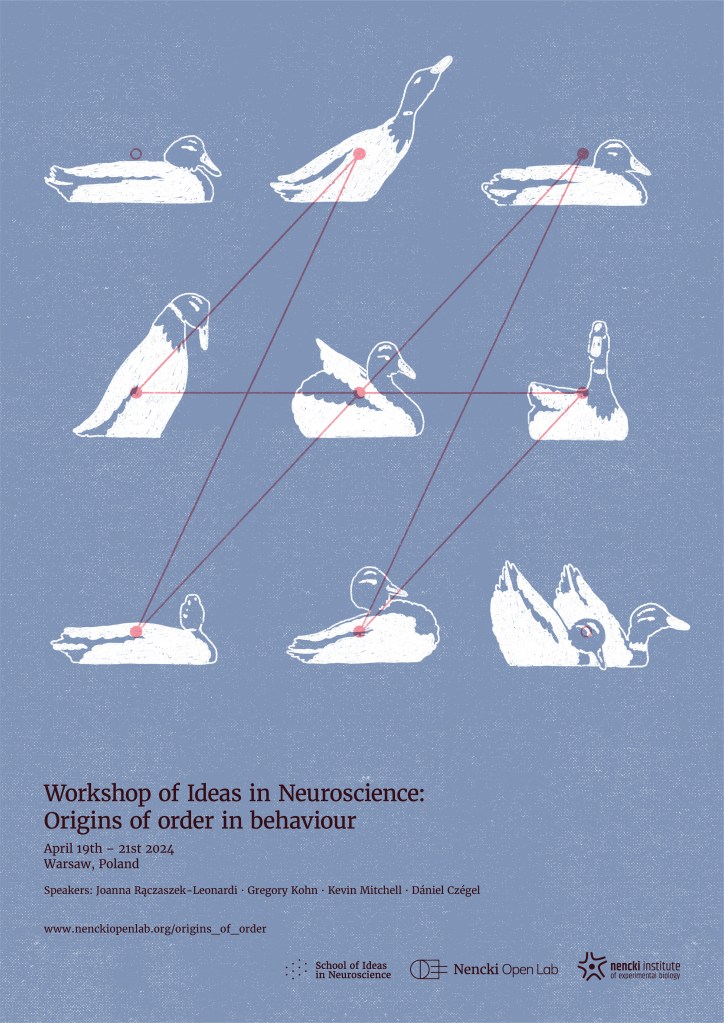
Warsaw, April 19 – 21 2024
Animal behaviour seems, almost by definition, flexible and variable. But it is – at the same time – stable, predictable and robust.
Migratory birds in every generation make the same travel between distant lands, finding exactly the same spot without previous experience. Different species of Peromyscus mice dig burrows that are highly stereotyped. Human languages around the globe hold many universals.
We call those behaviours instinctive. The concept of innate behaviour was widely criticized over years but is still haunting our discussions about robust behaviours: whenever we write about sex, fear and feeding, we talk about instinct; recently the concept of instinct penetrated into the field of AI. But is it useful?


Where does order in behaviour come from?
The answer for many researchers is genes: they specify a heritable programme that ensures that behaviours develop similarly in every generation and in every member of a species. Others, though, claim that the stability of behaviour is achieved by the interaction of organismal and environmental factors.
The goal of our workshop was to discuss the different ways in which animal behaviour can be canalized. We talked about genetic influences on behaviour, the way the environment shapes behavioural development and the newest computational methods that allow us to model the evolution and the development of behaviour.
The questions we have discussed:
- Is instinct a useful term in modern neuroscience?
- How do genes influence and constrain behavioural development?
- How environment and morphology can canalize behavioural development?
- What factors contribute to the stability of behaviours across generations?
- How can we simulate the constraints that shape the development and the evolution of behaviour?
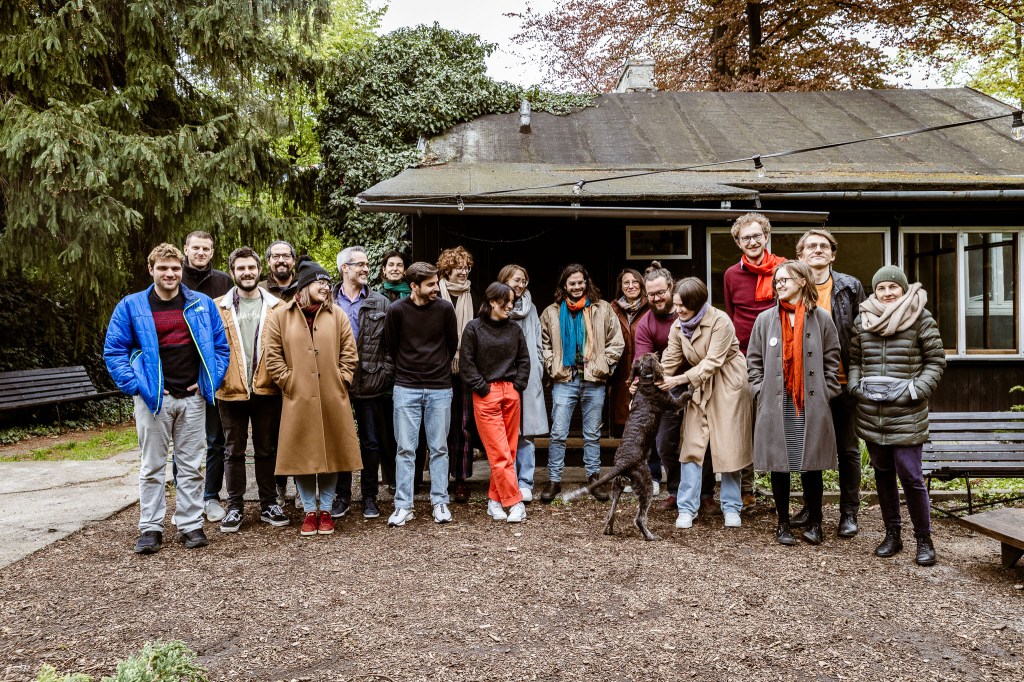
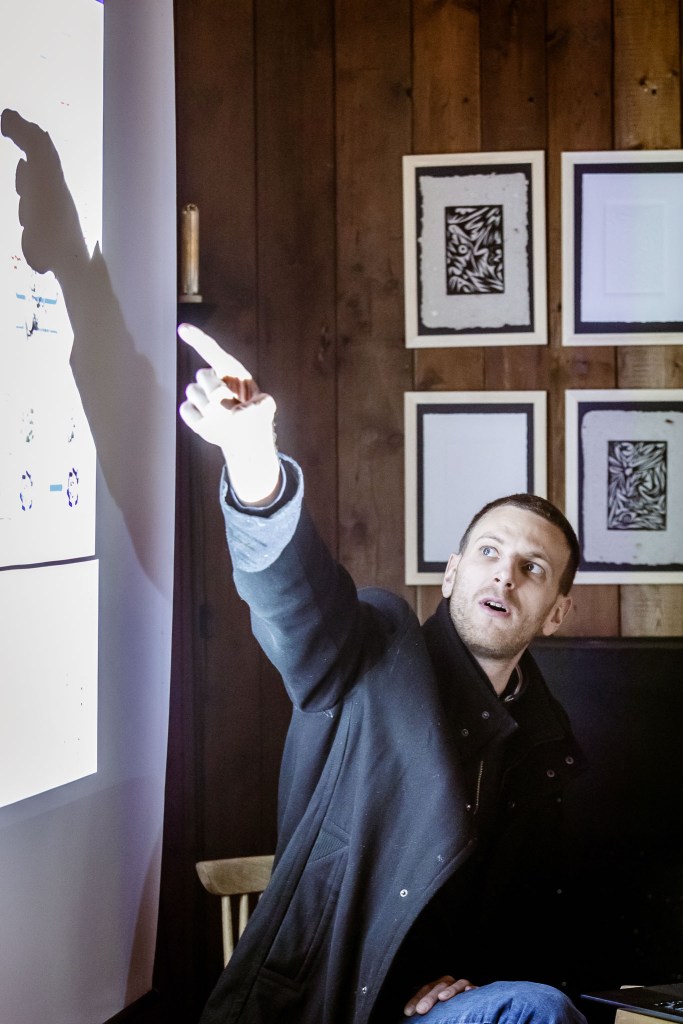
Our workshop wasbe organized in the spirit of our School of Ideas – with only a few, long talks, a small group a relaxed atmosphere, and a lot of time to think.
 Nencki Open Lab